
• More than 70% of the Earth's surface is covered by oceans, making the underwater world the largest and least explored environment on our planet.
• Despite covering most of the globe, it is estimated that over 80% of the ocean remains unmapped, unobserved, and largely unexplored.
• While humanity has sent astronauts to the Moon and probes to distant planets, we know surprisingly little about what lies beneath our own oceans.
• Submarine exploration offers a rare opportunity to enter this hidden world safely and comfortably, providing a firsthand view of environments few people will ever experience.
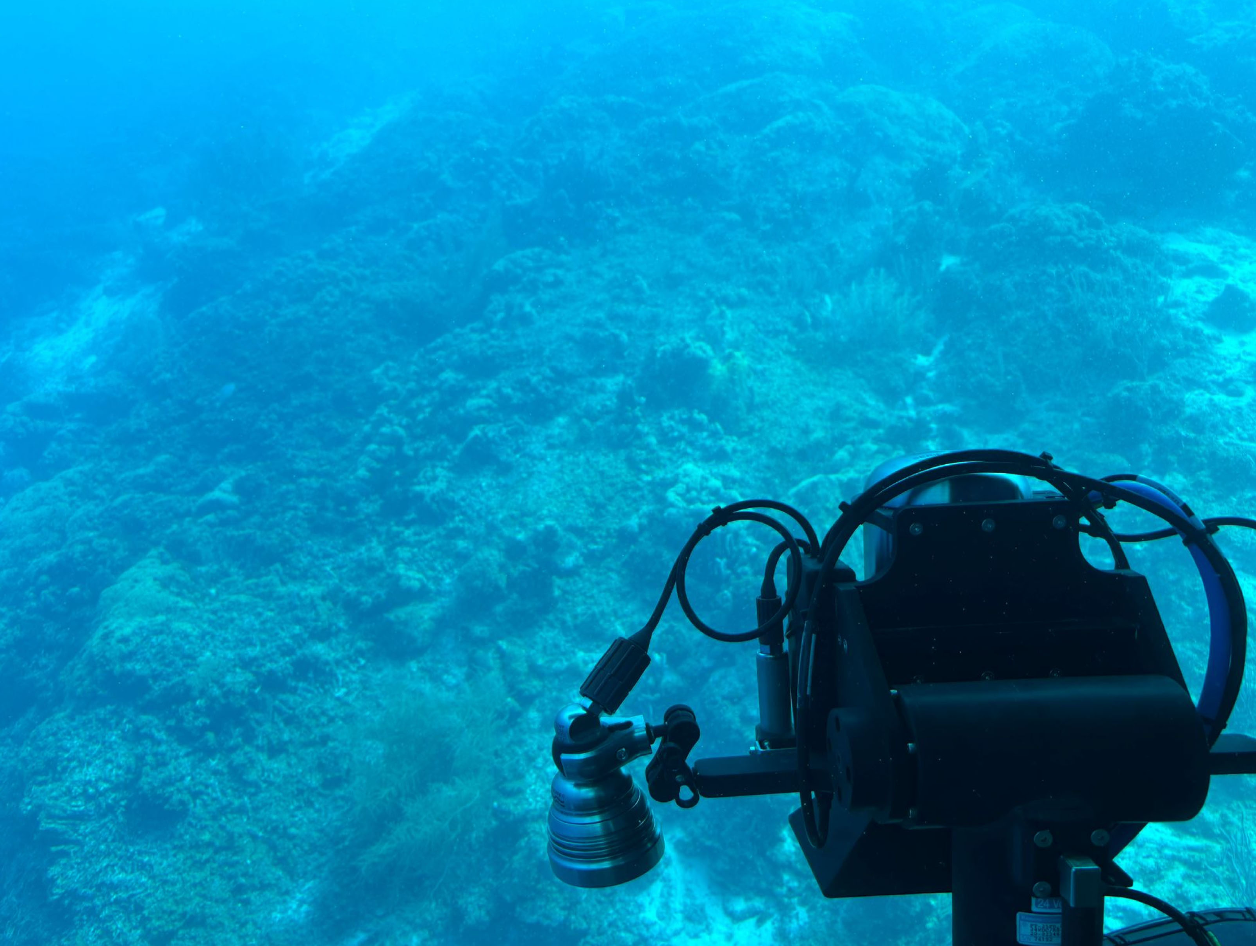
• From vibrant coral reefs and deep underwater cliffs to shipwrecks and extraordinary marine life, every dive has the potential for discovery.
• Unlike surface boating, a submarine allows guests to become fully immersed in the underwater environment without getting wet, while enjoying panoramic views from a secure vessel.
• The ocean remains one of the last great frontiers on Earth, holding countless scientific, ecological, historical, and commercial secrets waiting to be uncovered.
• Every submarine dive contributes to a greater appreciation of the marine environment and the importance of protecting it for future generations.
• Whether for adventure, scientific research, filmmaking, or personal exploration, submarine operations provide access to a world that very few people have ever seen.
• Exploring beneath the surface is not just a journey through the ocean—it is a journey into one of the greatest remaining mysteries on our planet.
BRIGHT WAVE OPERATIONS - Submersibles
Between the eastern Caribbean and the Galápagos, extending north into the Gulf of Mexico and south to Peru and northern Chile, there is an extraordinary annual circuit of marine phenomena in waters shallower than 1,000 ft (305 m). Many of these occur in the top 100 ft.

This is also an exceptionally rich region for submarine luxury exploration because it combines colonial-era wrecks, World War I and II wrecks, pirate-era losses, modern shipwrecks, aircraft wrecks, and naturally preserved deep-water wreck sites that are accessible within a 1,000 ft (300 m) operating depth envelope.
Wrecks located between the eastern Caribbean and the Galápagos, extending north into the Gulf of Mexico and south to Peru/Ecuador waters, all at depths generally within 1,000 ft.
The most spectacular and reliable marine phenomena events in the region are generally considered to be:
-
Each summer, typically from June to September, one of the largest gatherings of whale sharks in the world occurs off Isla Holbox and Isla Mujeres on the northeastern Yucatán Peninsula. Hundreds of these enormous but harmless fish gather near the surface to feed on plankton and fish spawn, particularly from tuna and little tunny. Sightings are often in clear blue water only 20–50 ft deep, making this one of the easiest places globally to encounter them. Individual whale sharks can exceed 40 ft in length, though many seen here are somewhat smaller juveniles and sub-adults. Calm weather and flat seas in July and August can produce extraordinary days where dozens are visible at once. The event is highly reliable and attracts researchers, divers and snorkelers from around the world.
-
The northern islands of Darwin and Wolf in the Galápagos are famous for combining two of the ocean’s greatest spectacles in one place. Between June and November, very large pregnant female whale sharks pass through these waters, often cruising along walls and currents between the surface and about 300 ft. At the same time, giant schools of scalloped hammerhead sharks gather in the hundreds and sometimes over a thousand individuals. These schools move in layered formations above the reefs and around cleaning stations in 60–150 ft of water. The combination of powerful currents, volcanic underwater topography and rich upwelling creates one of the highest concentrations of pelagic life anywhere on Earth. Divers frequently also encounter manta rays, dolphins, silky sharks and tuna in the same dive.
-
The Caribbean and eastern Pacific sides of Central and South America host two separate humpback whale migrations each year. From January to March, humpbacks from the North Atlantic gather in the warm waters around Silver Bank and Samaná Bay in the Dominican Republic to mate and give birth. Then, from July to October, a different population migrates north from Antarctica to the coasts of Colombia and Panama, especially Bahía Málaga and the Pearl Islands. Mothers with calves are commonly seen resting in sheltered bays, while males compete and sing in deeper water nearby. These areas often provide calm seas and relatively shallow water, making whale watching and even in-water encounters possible. The scale and reliability of these migrations make them among the finest whale spectacles in the world.
-
From late spring through autumn, especially May to July, the Gulf of California hosts immense gatherings of mobula rays. Near La Ventana, Espíritu Santo and other areas of the southern gulf, thousands upon thousands of rays gather in huge schools near the surface. The schools can stretch for miles and often contain several species, including Mobula munkiana and larger devil rays. One of the most remarkable features is their repeated leaping behavior, with hundreds of rays launching clear out of the water throughout the day. Scientists believe this may be related to courtship, communication or removing parasites. The spectacle is particularly dramatic from a boat or aircraft, where the enormous dark patches of rays can be seen beneath the surface.
-
During the winter months, particularly around the full moons of December through February, Nassau grouper gather at traditional spawning sites throughout the Caribbean. Locations in the Bahamas, Belize and Cayman Islands can host thousands to tens of thousands of fish assembling on reef edges and drop-offs. The fish usually gather in 60–150 ft of water and remain at the sites for several days around the full moon. The dense schools rise repeatedly into the water column to release eggs and sperm in synchronized bursts. Historically these aggregations were so reliable that fishermen could predict them precisely, though overfishing has reduced many populations. Protected sites still offer one of the most extraordinary fish gatherings in the tropical Atlantic.
-
Once or twice each year, usually several nights after the full moon in August or September, Caribbean coral reefs experience a remarkable mass spawning event. Across an entire reef, hard corals simultaneously release tiny packets of eggs and sperm into the water. The event typically begins shortly after sunset and can continue for one or two hours. Billions of reproductive bundles rise through the water like an underwater snowstorm or blizzard. The timing is astonishingly precise and appears linked to moon phase, water temperature and day length. Coral spawning can be witnessed in places such as the Cayman Islands, Belize, Bonaire and the Florida Keys. For divers, it is one of the rarest and most magical nighttime underwater experiences.
-
The beaches of Trinidad, particularly Grande Riviere and Matura Beach, host one of the world’s largest nesting populations of leatherback turtles. From March to August, huge female leatherbacks emerge from the sea at night to lay eggs high on the beach. These turtles are the largest living sea turtles and can exceed 6 ft in length and weigh over 1,000 pounds. During peak months, dozens of females may arrive on a single beach in one night. After digging a nest and laying around 80–100 eggs, the turtle returns to the sea, often to nest again later in the season. About two months later, thousands of hatchlings may emerge and race toward the surf, creating another remarkable spectacle.
-
Throughout parts of the eastern Pacific, huge schools of sardines and anchovies periodically form dense bait balls near the surface. These events are especially common off Costa Rica and Panama in the dry season and off Peru where the Humboldt Current creates extremely productive waters. The baitfish pack tightly together into rapidly shifting spheres or columns as predators attack from all sides. Dolphins, tuna, marlin, sea lions, sharks and seabirds all join the feeding frenzy, often creating chaos above and below the surface. In Peru, these events can involve enormous schools associated with anchovy concentrations extending for miles. The combination of speed, noise and sheer biomass makes bait-ball events among the most exciting wildlife spectacles in the ocean.
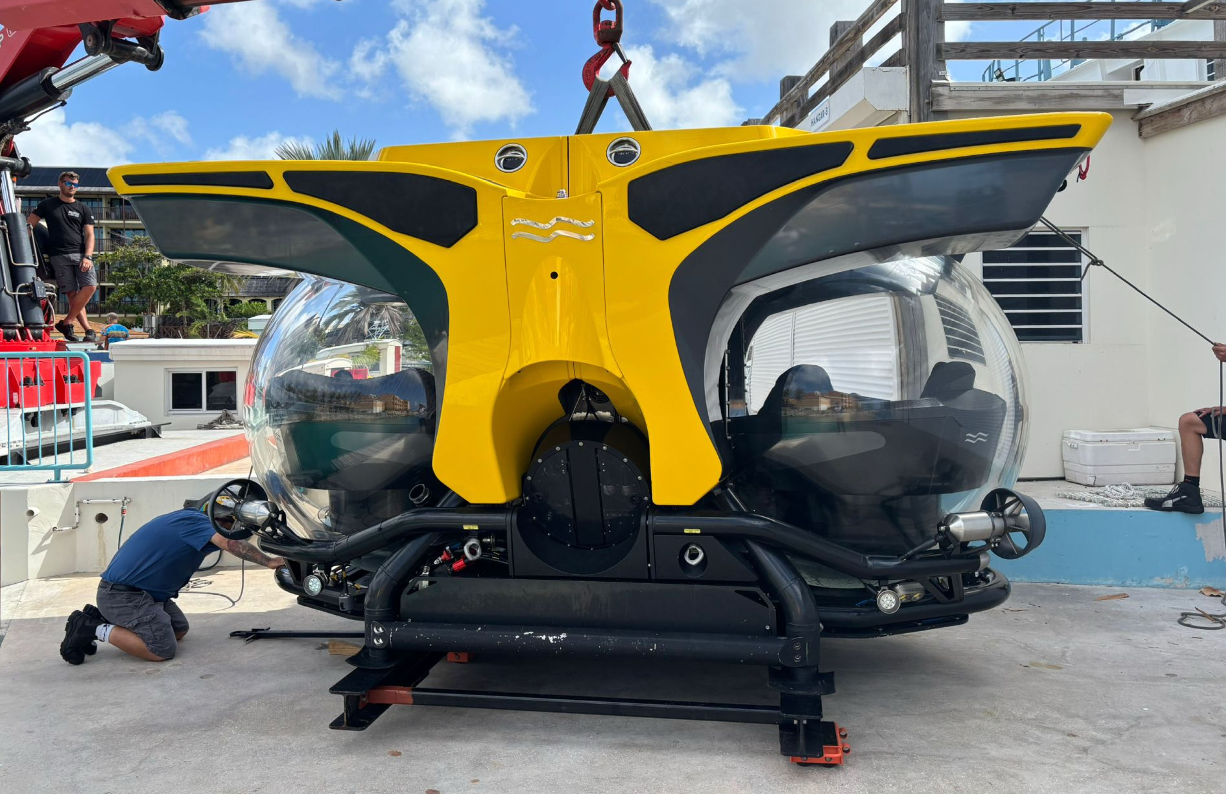
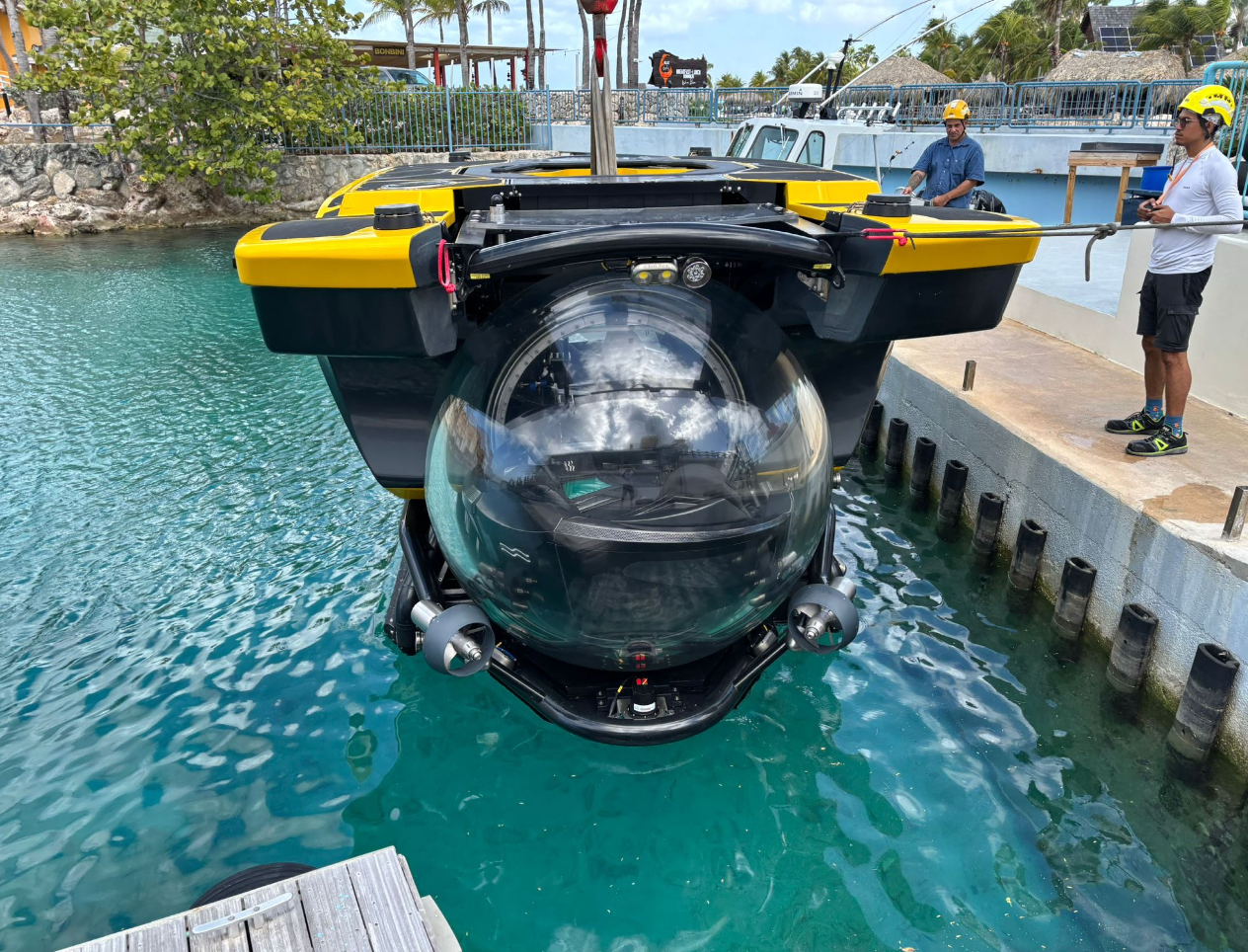
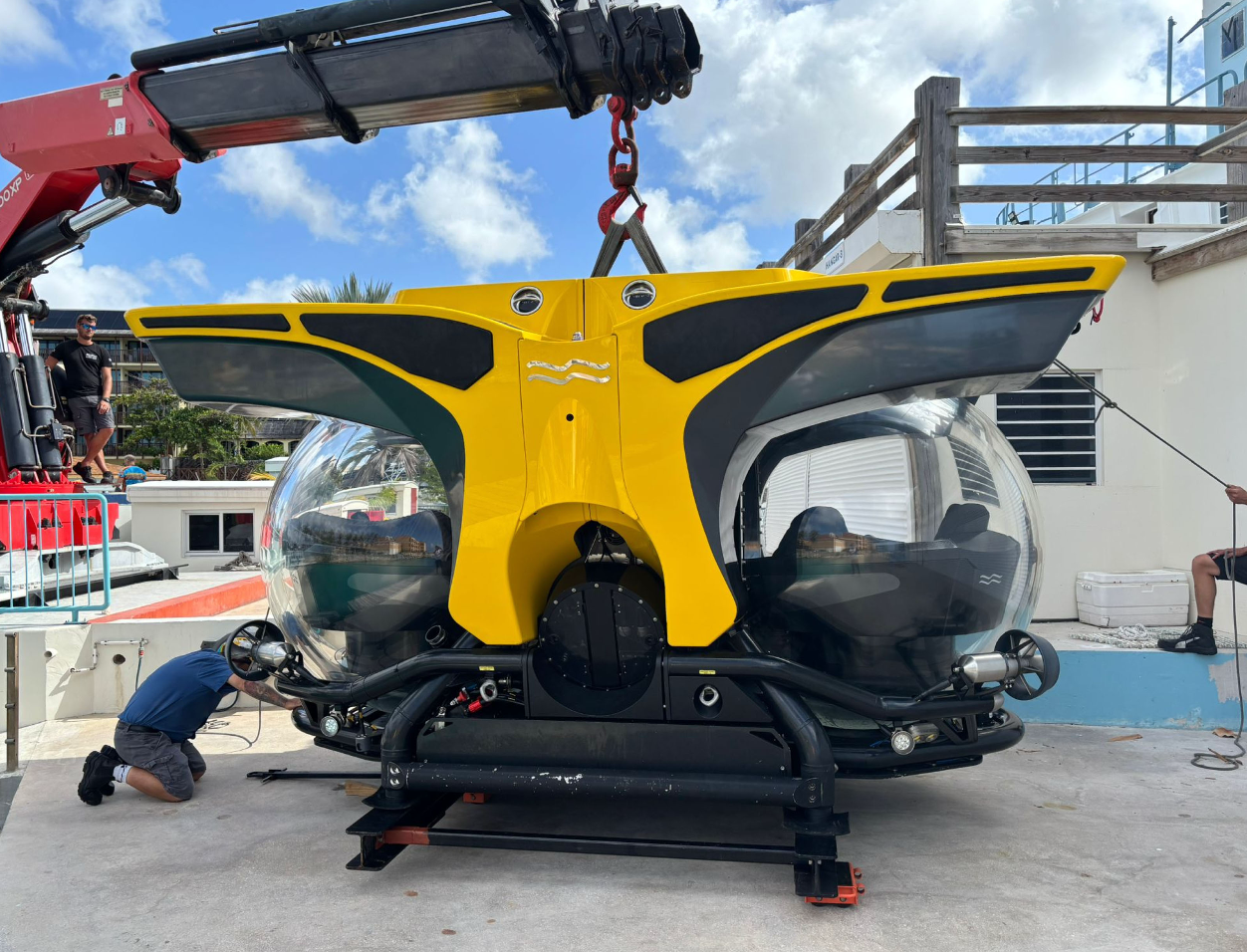
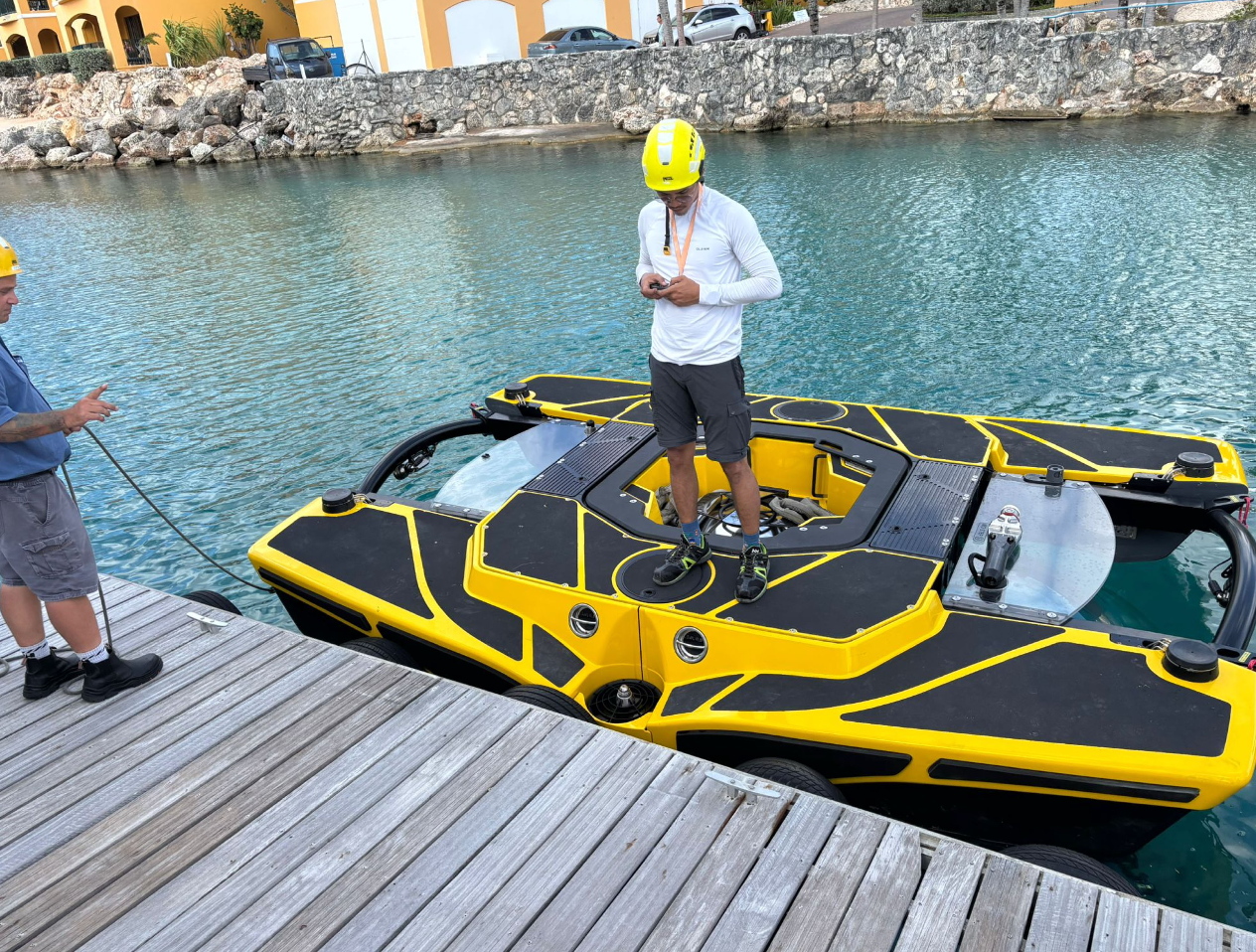
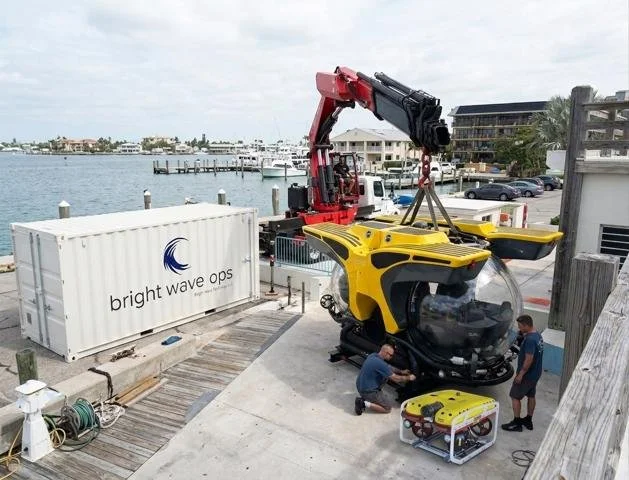
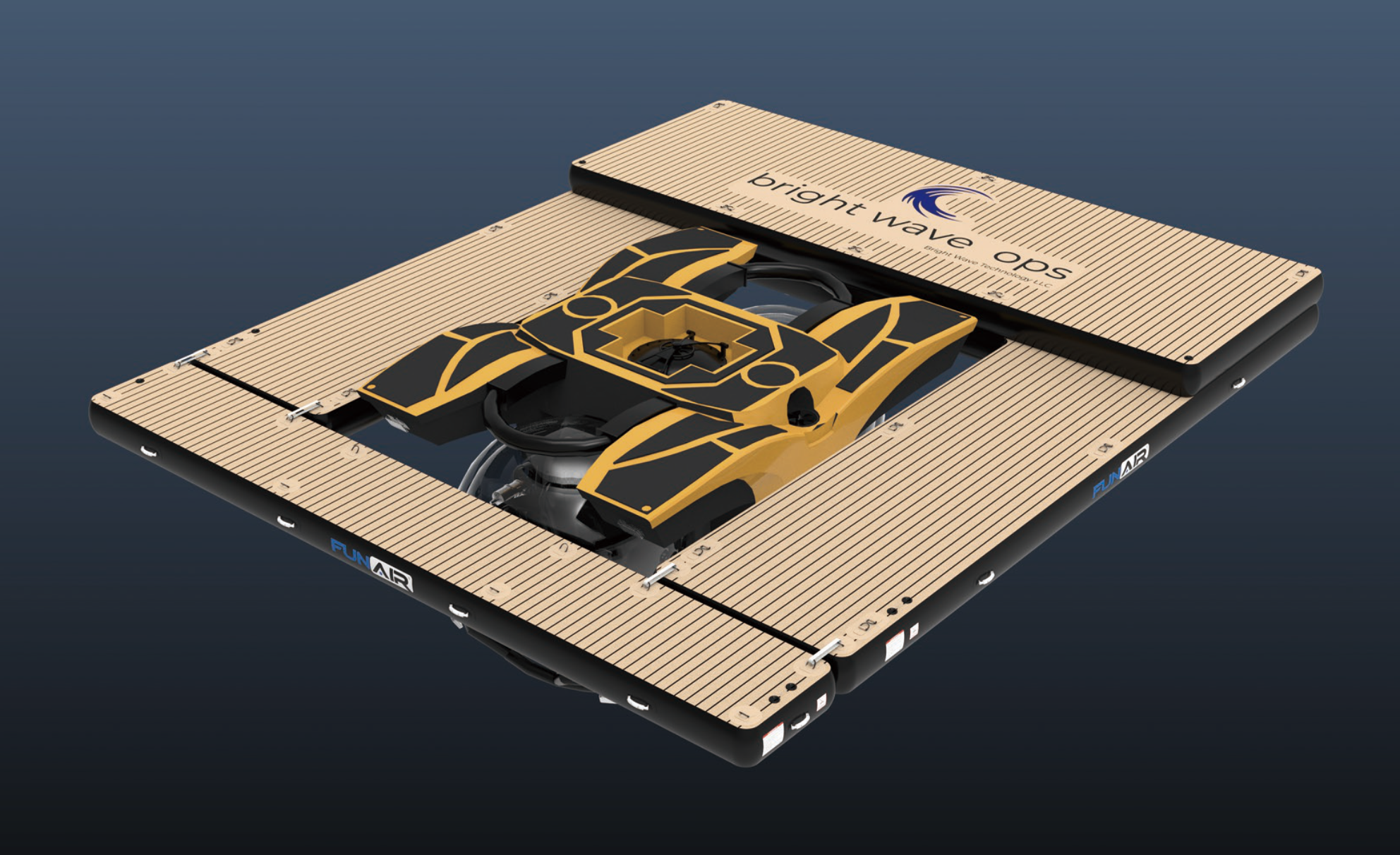
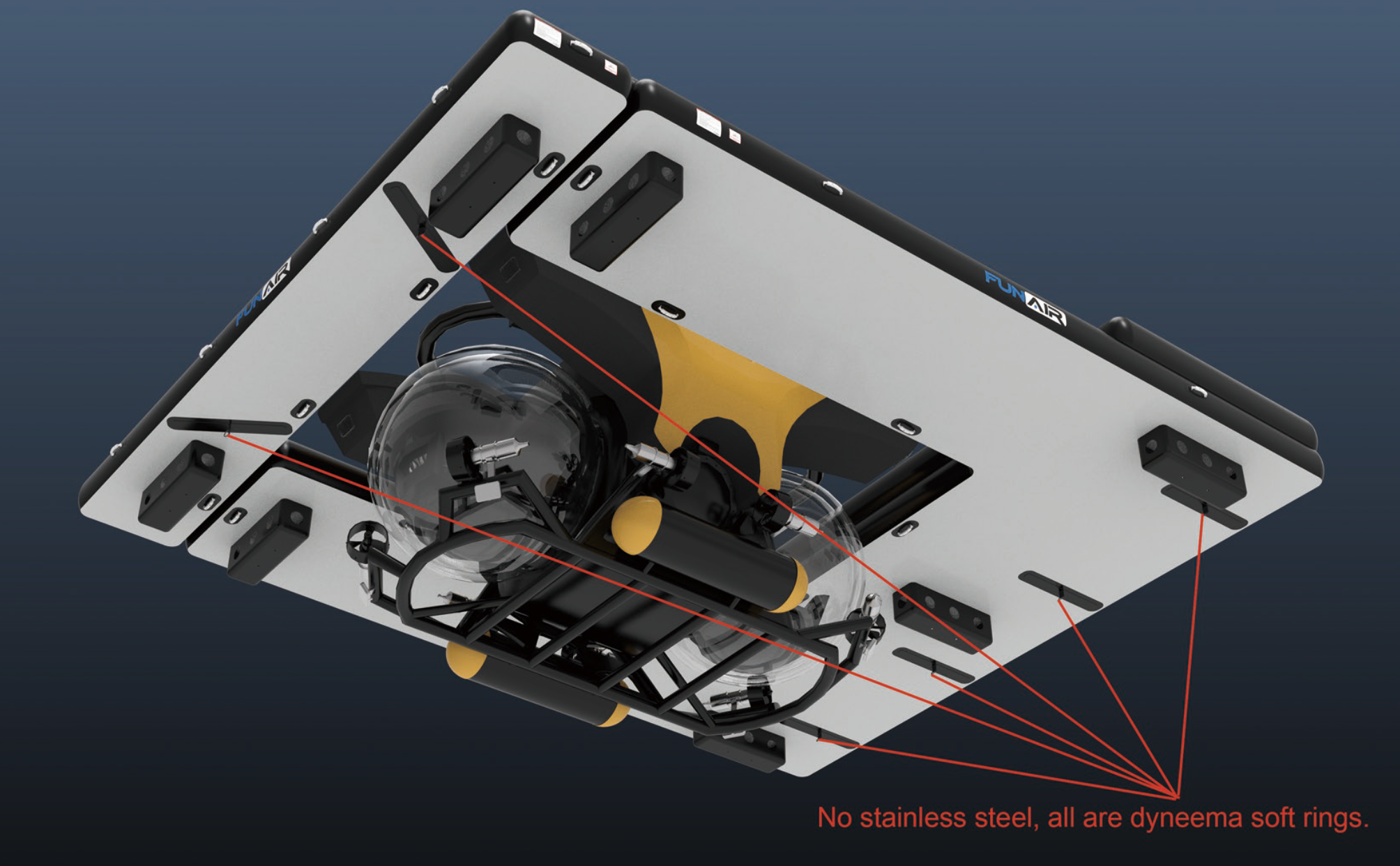
U-BOAT WORX - Cruiser Sub 7 (300m) https://www.uboatworx.com/model/cruisesub
The Team

ANDY HAFFENDEN - FOUNDER / CEO

JON NASH - ADVENTURE MEDIA
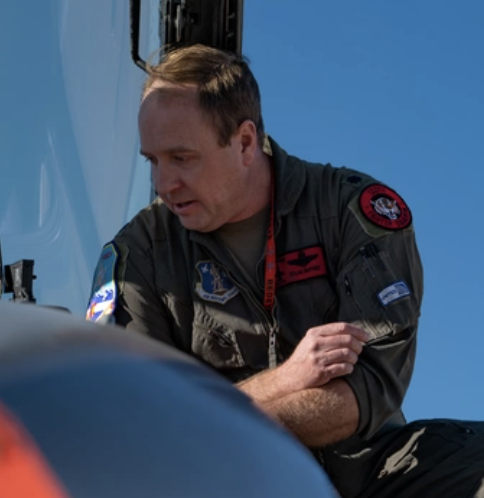
DUNCAN MCPHEE - MIL OPS ADVISOR (ex NatG F16)
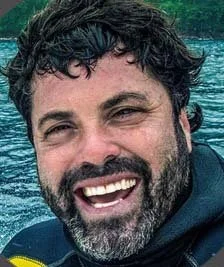
OFER KETTER - COO / SUB PILOT

LOUIS BACON - CTO (AI dev)

JON ANLET - FINANCE / ACCOUNTS
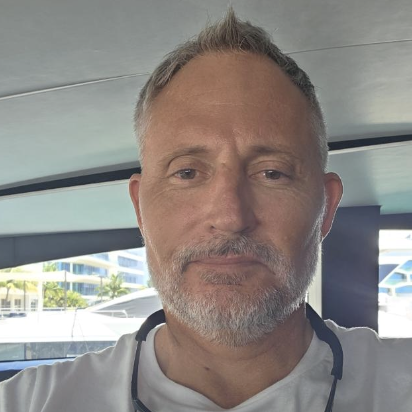
RYAN FRAYNE - MASTER 3000

SARAH ROOTS - MARKETING